A clean pool is a healthy pool. Whether you have a saltwater system or a conventional pool, understanding proper water chemistry is key to knowing when to call your Poolman professionals for regular maintenance. While several factors influence pool water chemistry, proper pool water circulation and pool water filtration are essential for preventing cloudy water, controlling bacteria and algae growth, and keeping debris at bay.
Here’s how circulation and filtration work together to keep your pool safe, clear, and enjoyable
- Keeps water clear: Clears out the gunk and keeps the water clear
- Fights bacteria & algae: Circulation and filtration help keep things in check and stop bad stuff from growing
- Even chemical distribution: Makes sure chlorine and other stuff work their magic
- Saves time & effort: Cuts down on the need to clean up all the time
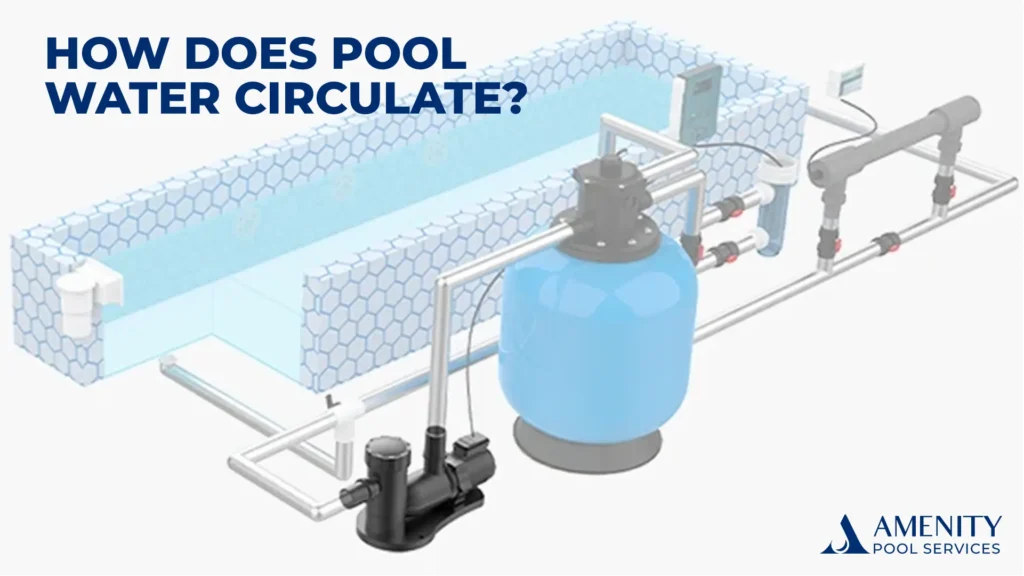
How does pool water circulate?
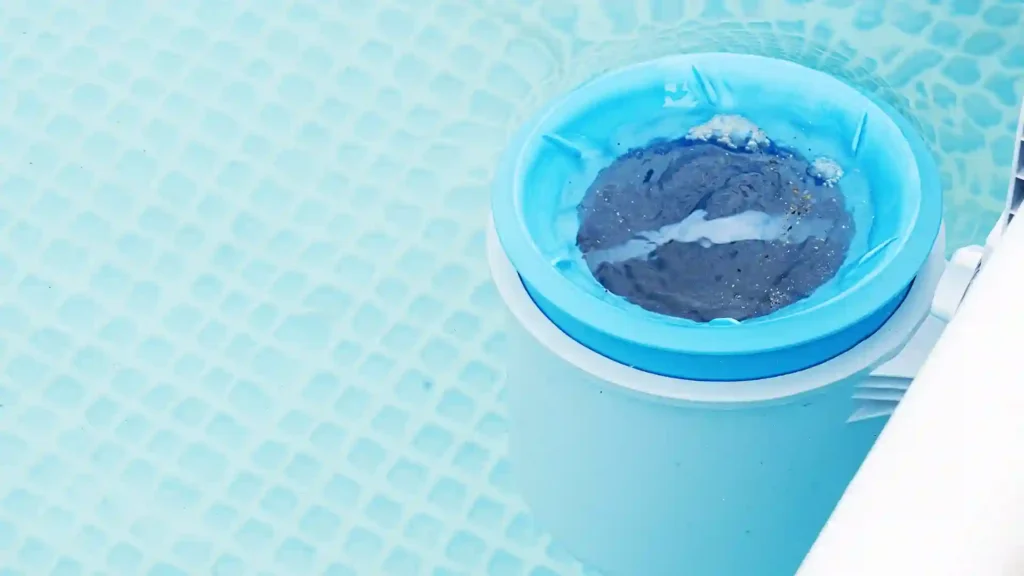
According to Pahlen.com, water circulation is the key to evenly spreading pool chemicals to help keep the water free from contamination. The system works by using a skimmer that gently moves the water around, catching any junk in a filter basket.
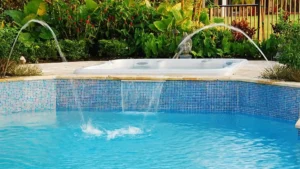
Pool Pumps are the main machines that push the water around your pool, clean it, and then send it back to the pool through different spots. If a pump’s acting up, it’s gonna mess up the water flow, letting leaves, twigs, and gunk build up, and it’s gonna really mess with your water’s chemistry too.
What role do filters play in water chemistry?
As one of the most important components of any modern pool system, filters are essential in removing small particles from the water and keeping the pool water clean and balanced. There are typically three types of pool filters: sand, cartridge and diatomaceous earth. While each of these filters has its own pros and cons, when the filters have reached the end of their shelf life, debris and other minerals can begin to build up in the pool water and can affect its overall balance.
When your pool’s circulation and pool water filtration aren’t functioning correctly, it can rapidly turn into a breeding ground for bacteria, algae, and other harmful materials, endangering swimmers and creating cloudy, unsafe water. Even a minor problem with filters or pumps can throw the pool’s delicate chemical balance out of kilter, complicating the task of creating a healthy environment. That’s why it’s essential to deal with any circulation issues immediately.
Common Reason of Pool Circulation Problems
- Clogged Filters: According to New Canadian Drain, low water pressure and poor circulation can result from clogged filters, damaged pumps, closed or broken valves, or plumbing leaks.
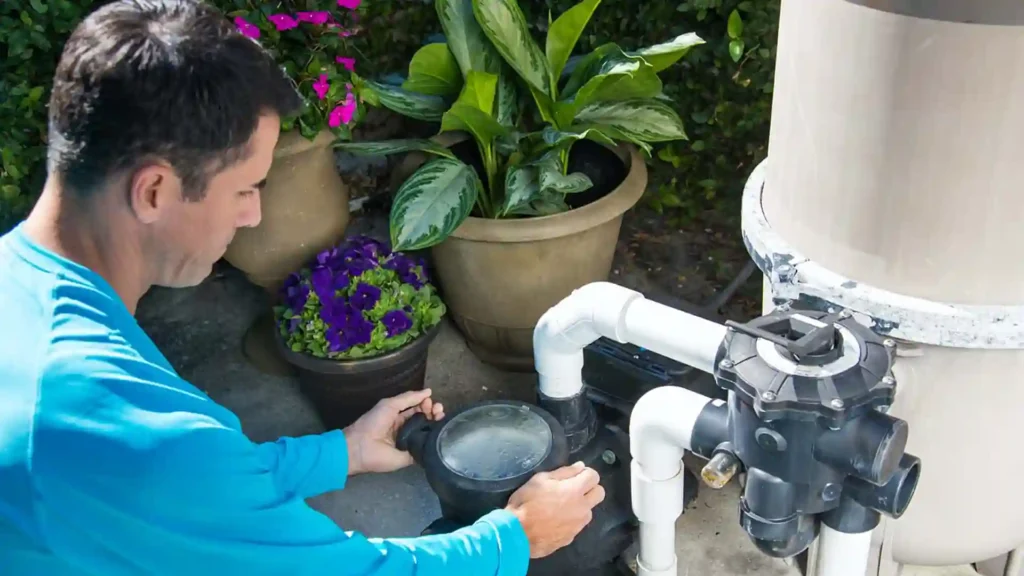
- Faulty Pumps: If there are any motor failures, blockage, or issues happening with electric circuits in your pumps – it can affect water’s movement quality.
- Closed or defective valves: If the valves are shut off or damaged, the water flow will be limited and this results in uneven distribution.
- Leaky Plumbing: Plumbing leaks can slow down water flow as water leaves the system, which can cause the pump to struggle behind the drag.
What if My Pool Is Not Circulating Properly? Once you identify the cause, act quickly to keep the swimming water healthy:
- Clean or replace filters regularly to ensure proper water flow.
- Repair or swap out your pump if it isn’t functioning correctly.
- Check all valves and confirm they are open and operating properly.
- Regularly inspect for leaks and have a professional fix them immediately.
It is important to keep a close eye on these specific issues because they can lead to a number of problems. For instance, if they are not addressed promptly, they may end up clogging the filters, which are essential for keeping the pool clean and clear. Additionally, these issues can cause the water to change color, which could indicate contamination or a buildup of algae.
More importantly, if left unresolved, they can create health risks that may make the pool unsafe for swimming. It is crucial to regularly monitor the pool’s condition to ensure a safe and enjoyable swimming environment, if you want professional help, we’re here for you.
H2. Quick Tips to Keep Your Pool Healthy (and Fun!)
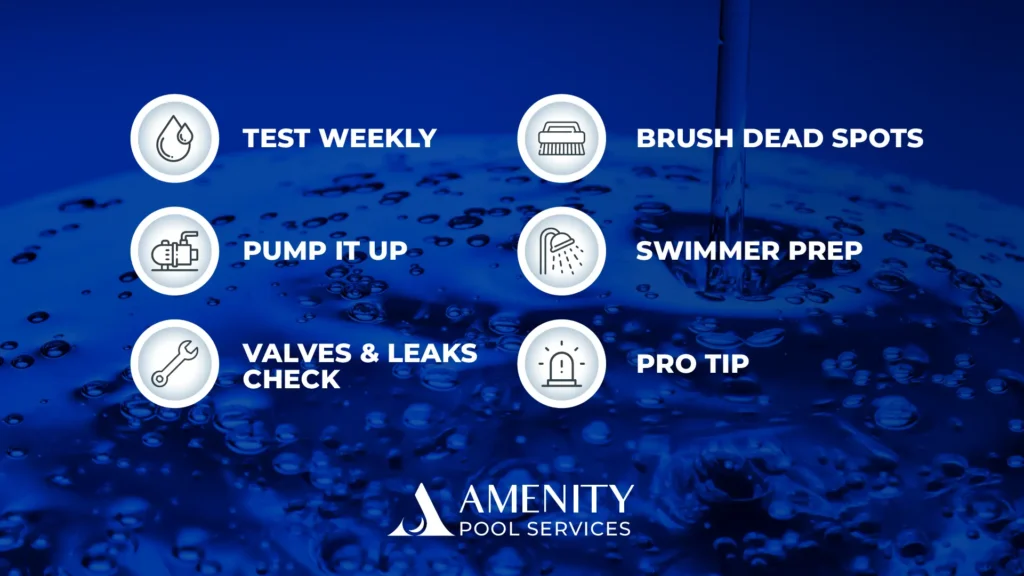
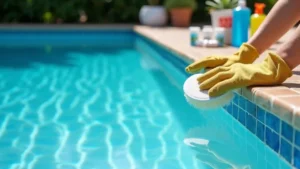
- Test Weekly: Check your pool’s water chemistry at least once a week. Catching imbalances early makes maintenance way easier and keeps swimmers safe.
- Pump It Up: Make sure your pump and filters are running smoothly. A happy pump = clean, clear water.
- Valves & Leaks Check: Open valves, no leaks! Even a small problem can disrupt circulation and allow algae to infiltrate.
- Brush Dead Spots: Some areas of the pool don’t get enough water flow. Give them a good scrub to stop algae before it starts.
- Swimmer Prep: Encourage everyone to rinse off before jumping in. Less dirt and oils in the water means less work for your circulation system.
Pro Tip: If something feels off, don’t wait, fixing it early saves you from big headaches later!